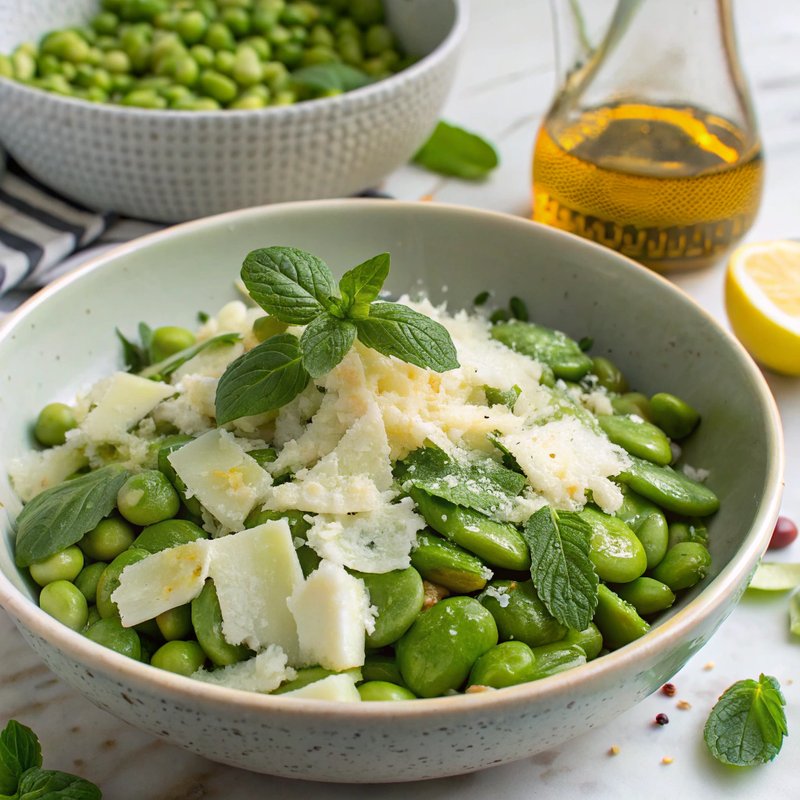
Mastering Fava Bean & Pecorino Salad: Peeling Tips & Fresh Flavors
As winter's chill gives way to the gentle warmth of spring, our palates instinctively crave dishes that are vibrant, fresh, and bursting with the season's bounty. Few culinary creations capture this essence quite like the classic fava bean and pecorino salad. This deceptively simple dish is a celebration of seasonal ingredients, offering a delightful interplay of creamy, slightly sweet fava beans, sharp, salty pecorino cheese, and crisp greens, all brought together by a bright, zesty dressing. But for some, the thought of preparing fava beans can be daunting, particularly the peeling process. Fear not! In this comprehensive guide, we'll demystify the art of fava bean preparation, share expert peeling tips, and help you craft a fava bean and pecorino salad that will truly sing on your plate.
The Allure of Fava Bean and Pecorino Salad: A Springtime Classic
The beauty of the fava bean and pecorino salad lies in its elegant simplicity and the harmonious blend of its core components. Originating from Italian culinary traditions, where fresh favas (or baccelli) are often eaten raw with pecorino as a springtime snack, this salad elevates those foundational flavors into a refined dish. It’s more than just a side; it's an experience that awakens the senses, offering textures ranging from the tender beans to the crisp escarole and the delicate shavings of aged pecorino. What makes this particular salad so beloved is its ability to highlight the delicate, almost nutty flavor of fresh fava beans, which are truly at their peak for a short window each spring. Paired with the robust, sheep's milk tang of pecorino, it creates a flavor profile that is both comforting and exhilaratingly fresh.
Mastering the Fava Bean: Peeling, Blanching, and Choosing the Best
The secret to a truly outstanding fava bean and pecorino salad often begins long before you even start cooking – it starts with the beans themselves. And for many, the peeling process is the greatest hurdle. Let’s break it down.
Selecting Superior Fava Beans
The journey to perfect favas starts at the market. Look for pods that are vibrant green, firm, and unblemished. As one expert tip suggests, if you can find fresh, young favas whose pods are on the smaller side, you might be in for a treat. Younger, smaller beans often have thinner, more tender skins that may not require a second peel after blanching, saving you significant time and effort. Snap a few open to inspect the beans inside – they should be small, bright green, and firm. Avoid pods that are bulging or yellowing, as these indicate older beans that will likely be starchier and require double peeling.
The Double Peel Dilemma: When and How to Blanch and Peel
Many recipes, including that from renowned chef Anne Burrell, advocate for a "double peel" method, and for good reason. While young favas *can* sometimes be eaten with their inner skin intact, most fava beans benefit from the extra step, yielding a more tender, vibrantly green, and less bitter result. Here’s how to master it:
- First Shelling: Begin by removing the beans from their large, tough outer pods. This is the first "peel" and is quite straightforward. Simply snap the pod open and run your thumb along the seam to release the beans into a bowl.
- The Blanching Ritual: Bring a large pot of well-salted water to a rolling boil over medium-high heat. While the water heats, prepare an ice bath: fill a large bowl with ice and an equal amount of cold water, then add a good pinch of salt (the salt helps keep the water colder).
- Blanch and Plunge: Once the water is boiling rapidly, add the shelled fava beans and blanch for just 1-2 minutes. You're looking to soften the outer skin and brighten the color, not cook them through. Immediately scoop the beans out with a slotted spoon and plunge them into the prepared salted ice water. This halts the cooking process, preserves their vibrant green hue, and makes the second peel much easier.
- The Second Peel (The Inner Casing): Once the beans are cool enough to handle (usually after a minute or two in the ice bath), drain them. Now comes the moment of truth: removing the tough, pale outer casing from each individual fava bean. This is the part that some find tedious, but it's crucial for the best texture. To do this efficiently, gently pinch the slightly softened skin at one end of the bean. The bright green interior should easily pop out. Discard the outer casings. This process, while a bit time-consuming, yields incredibly tender, emerald-green beans that are truly worth the effort. For a visual guide on peeling, check out Fava Bean & Pecorino Salad: A Vibrant Spring Dish Recipe Guide, which often includes helpful step-by-step imagery.
The result? Smooth, buttery fava beans ready to be the star of your salad. These perfectly prepared favas are the foundation for our fresh and flavorful Easy Spring Fava Bean & Pecorino Salad: A Fresh Recipe.
Crafting the Perfect Fava Bean and Pecorino Salad: Beyond the Basics
Once your fava beans are perfectly prepared, assembling the salad is a joy. The magic lies in the quality of your ingredients and how they come together.
Key Ingredients and Their Roles
- Shelled & Peeled Fava Beans: The creamy, subtly sweet star. Their texture and delicate flavor are paramount.
- Aged Pecorino Cheese: This is the backbone of the salad's savory profile. Pecorino Romano is most common, offering a salty, tangy, and pungent kick. Shaving it rather than grating provides lovely textural contrast and allows the cheese to melt slightly into the dressing. Reserve a few shavings for garnish to add a professional touch.
- Red Onion: Thinly sliced red onion provides a mild bite and a beautiful pop of color. To mellow its pungency further, you can soak the slices in cold water for 10-15 minutes, then drain and pat dry before adding to the salad.
- Escarole: This slightly bitter, crisp green is an excellent counterpoint to the sweetness of the favas and the richness of the cheese. Its sturdy texture stands up well to the dressing. If escarole isn't available, other options like radicchio, frisée, or even arugula can provide a similar peppery bitterness.
- Red Wine Vinegar: Provides the essential acidic backbone for the dressing, cutting through the richness of the cheese and brightening the entire dish.
- Good Quality Extra-Virgin Olive Oil: The foundation of any good Mediterranean-inspired salad. Choose an oil with a fruity, slightly peppery flavor profile that you genuinely enjoy.
- Kosher Salt & Freshly Ground Black Pepper: Seasoning is key! Taste and adjust as you go.
Assembling Your Masterpiece
With your ingredients prepped, assembling your salad is quick and satisfying:
- In a large bowl, combine the prepared fava beans, thinly sliced red onion, and roughly chopped escarole.
- Add the majority of your shaved aged pecorino, reserving a small amount for garnish.
- Drizzle generously with good quality extra-virgin olive oil and a splash of red wine vinegar. The exact amount will depend on your preference; start with a tablespoon or two of vinegar and about twice that much olive oil, then adjust.
- Season with kosher salt and freshly ground black pepper to taste. Remember that pecorino is already salty, so adjust accordingly.
- Gently toss all ingredients together until everything is evenly coated in the dressing. Be mindful not to bruise the delicate fava beans.
- Arrange the salad on serving plates. Top with the reserved shaved pecorino for a beautiful presentation.
Elevating Your Fava Bean and Pecorino Salad: Creative Twists and Pairings
While the classic fava bean and pecorino salad is perfect in its original form, there are always ways to personalize and elevate it to suit your taste or occasion. Think of the base recipe as a canvas for your culinary creativity.
- Herbaceous Additions: Fresh herbs are fantastic with favas. Consider finely chopped fresh mint, parsley, or dill for an extra layer of brightness and aroma. A sprinkle of lemon zest can also enhance the fresh flavors.
- Crunch Factor: For added texture, lightly toast some pine nuts or slivered almonds and scatter them over the top just before serving.
- Protein Power-Up: Transform this side salad into a light main course by adding grilled shrimp, flaked hot-smoked salmon, crumbled crispy prosciutto or pancetta, or even some grilled halloumi cheese.
- Other Cheeses: While pecorino is traditional, a soft, crumbly goat cheese or even some ricotta salata could offer an interesting alternative flavor profile.
- A Touch of Heat: A tiny pinch of red pepper flakes can add a subtle warmth without overpowering the delicate fava flavor.
This salad makes a delightful light lunch on its own, a sophisticated appetizer, or a superb side dish alongside grilled lamb chops, roasted chicken, or flaky white fish. For beverages, a crisp, dry white wine like a Sauvignon Blanc or Vermentino, or a light rosé, would complement the fresh, savory notes beautifully.
The fava bean and pecorino salad is more than just a recipe; it's an ode to spring, a testament to the power of simple, high-quality ingredients, and a rewarding culinary experience. By mastering the art of fava bean preparation and understanding the interplay of flavors, you can recreate this iconic dish with confidence and flair. So, as spring arrives, embrace the season, head to your local market, and treat yourself to the freshest flavors the season has to offer. Happy peeling, and happy cooking!
